this post was submitted on 19 Apr 2026
16 points (100.0% liked)
Nature and Gardening
8296 readers
18 users here now
All things green, outdoors, and nature-y. Whether it's animals in their natural habitat, hiking trails and mountains, or planting a little garden for yourself (and everything in between), you can talk about it here.
See also our Environment community, which is focused on weather, climate, climate change, and stuff like that.
(It's not mandatory, but we also encourage providing a description of your image(s) for accessibility purposes! See here for a more detailed explanation and advice on how best to do this.)
This community's icon was made by Aaron Schneider, under the CC-BY-NC-SA 4.0 license.
founded 2 years ago
MODERATORS

you are viewing a single comment's thread
view the rest of the comments
view the rest of the comments
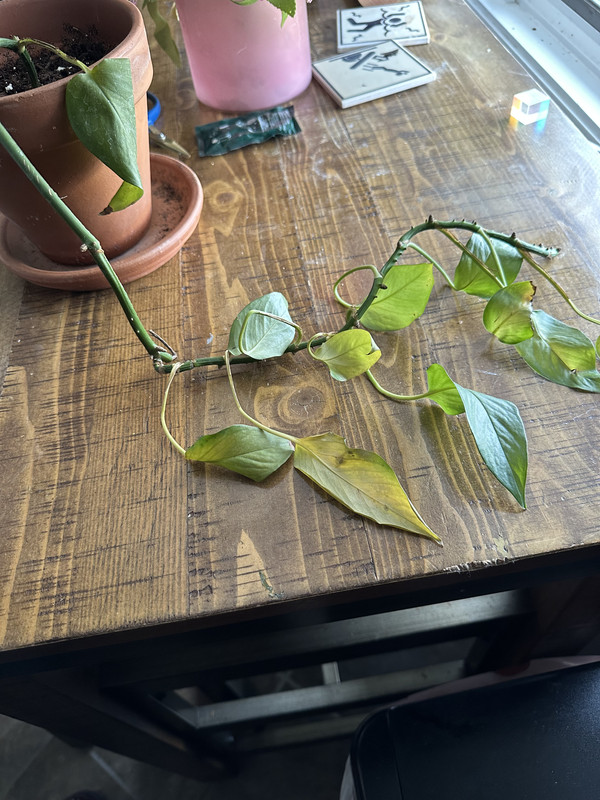
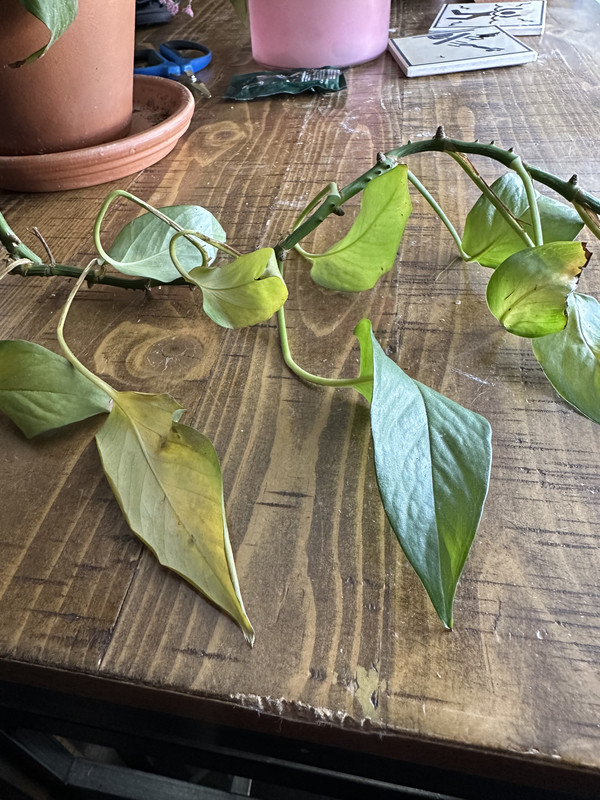
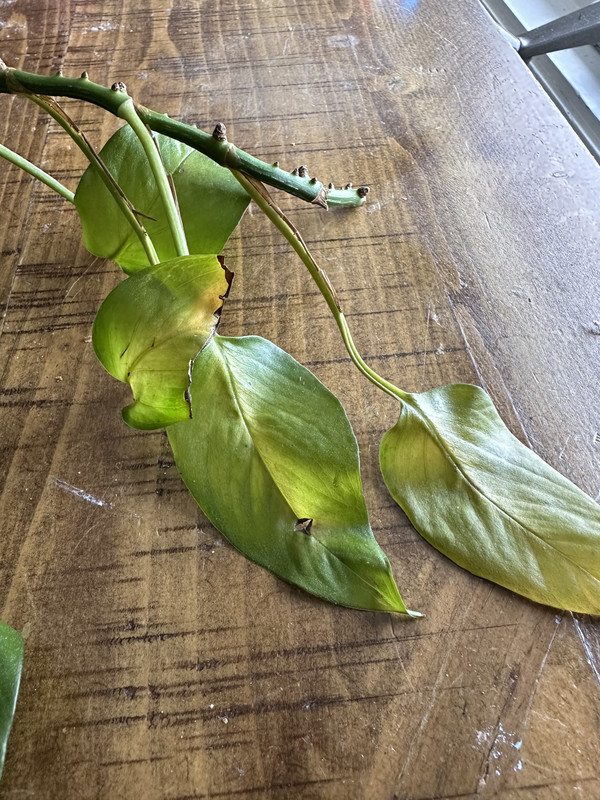
Do you have an idea of how much root mass there is? Too few roots and too much plant can lead to very harsh transplant shock, and the plant will abandon leaves and stem to rebalance itself. Best practice is to remove top growth when dividing to prevent the plant from going through enough shock to kill it (I run a small plant nursery and do lots of divisions).
I'd recommend removing it from the pot and substrate to place in water for a day or two - leave it somewhere without direct sunlight to help promote root growth over shoot growth. This will also give you an opportunity to gauge how much root mass there is compared to the rest of the plant. If they seem about even, don't worry about cutting the stem back. If there's more shoot than root, cut the stem back just above one of the leaf nodes.
Not to go overboard (too late?) but "moisture control" can apply to potting mixes that are high porosity (fast draining, low moisture holding) or those that have chemical wetting agents that hold water long after you've last applied any. If the moisture control stuff you got is from miracle gro I'd recommend taking some aside, placing it in a pot, and testing how long a given amount of water keeps it wet while you're rehabilitating your plant. This will give you better information to set your watering routine once your plant is happier. If it holds too much water you can increase the porosity and draining potential by mixing in some all purpose sand (not playground sand, it's too fine)
Thanks for the in-depth reply. I put it in some water and out of the direct sunlight. How can you tell if there is root rot? I’m guessing the moisture control soil must be the kind that retains, because I havent watered it for a few days but it feels slightly damp.
How can I tell if there is enough root to support the plant? And if I trim it back to a leaf node, do I include a leaf?
Here are some pictures of the root and leaf node: https://i.postimg.cc/CLKyzxD2/IMG-3572.jpg
https://i.postimg.cc/m2KdBLS2/IMG-3573.jpg