this post was submitted on 08 Apr 2026
175 points (99.4% liked)
Climate
8520 readers
308 users here now
Discussion of climate, how it is changing, activism around that, the politics, and the energy systems change we need in order to stabilize things.
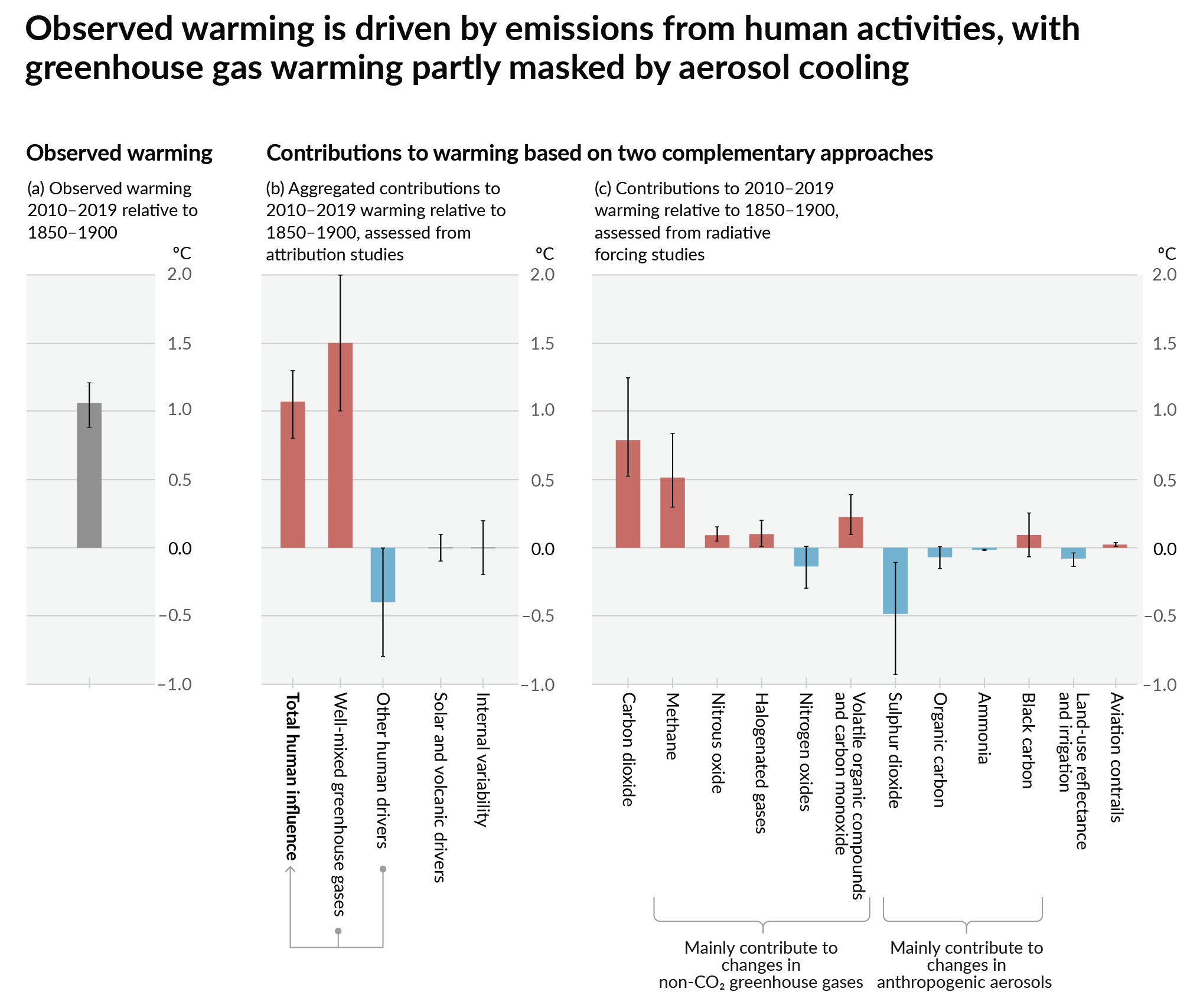
As a starting point, the burning of fossil fuels, and to a lesser extent deforestation and release of methane are responsible for the warming in recent decades:

How much each change to the atmosphere has warmed the world:
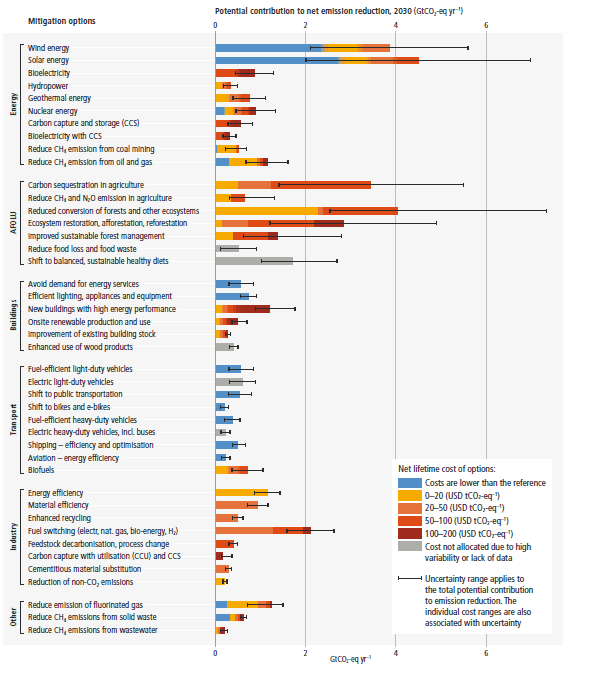
Recommended actions to cut greenhouse gas emissions in the near future:
Anti-science, inactivism, and unsupported conspiracy theories are not ok here.
founded 2 years ago
MODERATORS
you are viewing a single comment's thread
view the rest of the comments
view the rest of the comments
Sounds like a good source for water cooling! Dig a small well and pump the water around you to cook your room.
Not sure how effective this really is, should get some amount of cooling and have been curious to try it sometime.
That's the issue with high wet bulb conditions: they are too hot and humid to allow for evaporative cooling to work.
Good news, it isn't evaporative. It relies on the ground being cooler than the air.
Oh, you mean geothermal cooling. Yes, some buildings use that for heating/cooling by using vertical wells or buried horizontal loops coupled with heat pumps. It's fairly green, though can be an expensive investment up front if one needs to use vertical wells due to lack of real estate. It's still air conditioning, just coupled to underground water as a heat sink instead of outside air.
The DIY method I mentioned is just dumping heat into the ground using water to transfer it. No heat pump, just a pump and much cheaper. Of course anything with a heat pump is going to be more powerful.
Not sure how many watts of cooling something like that could realistically manage but I have been interested in the idea.
I'm picturing a Corsi-Rosenthal box with automotive radiators connected in series instead of air filters! The inlet hooked to a sink, and the outlet hooked to the drain. Heat losses would be introduced at the well's pump, and at the box fan motor. As long as nothing leaks, the only things to worry about would be the added power consumed, the added wear on the well pump, and the well water's rate of replenishment. Oh, and the condensation which may collect on the radiators. An interesting DIY idea. I wonder if anyone has already tried it.
Sounds like you are combining both ideas somehow? The Corsi-Rosenthal box radiator in your sink would absolutely work. Though I don't know how much water you would be going through for it.
If you instead used a closed loop and pumped water through the ground to cool off then the only thing going is the pump and fan.
Condensation is a possible issue, tray and bucket to collect it?
Hmm, let me elaborate. If I were to do it, I'd hook a hose up to the spigot on a basement sink. I've seen some that have external threads so one may connect a garden hose to it. I would then take my length of garden hose into a convenient space in the basement, perhaps one that helps maximise airflow or is close to a basement drain or some other available place. Then I would plumb the garden hose into the inlet of one of my radiators, and the outlet to the next inlet, and so on. As the relatively cool well water passes inside the radiators, my box fan draws warm humid air (almost 100% humidity on a dangerous wet-bulb day!) through the grilles of the radiators and exchanges some heat. In theory, the exhaust of the box fan/radiator assembly is now somewhat cooler and possibly drier. The now heated well water I would then plumb from the outlet of the final radiator to the sink so it could go down the drain. If the heated water were returned to the well, there are contamination issues as well as significantly more heat losses depending on the available water capacity and exchange rate of the well. Does this setup differ from what you had in mind?
I could think of better uses lol