this post was submitted on 04 Apr 2026
255 points (99.6% liked)
Climate
8505 readers
523 users here now
Discussion of climate, how it is changing, activism around that, the politics, and the energy systems change we need in order to stabilize things.
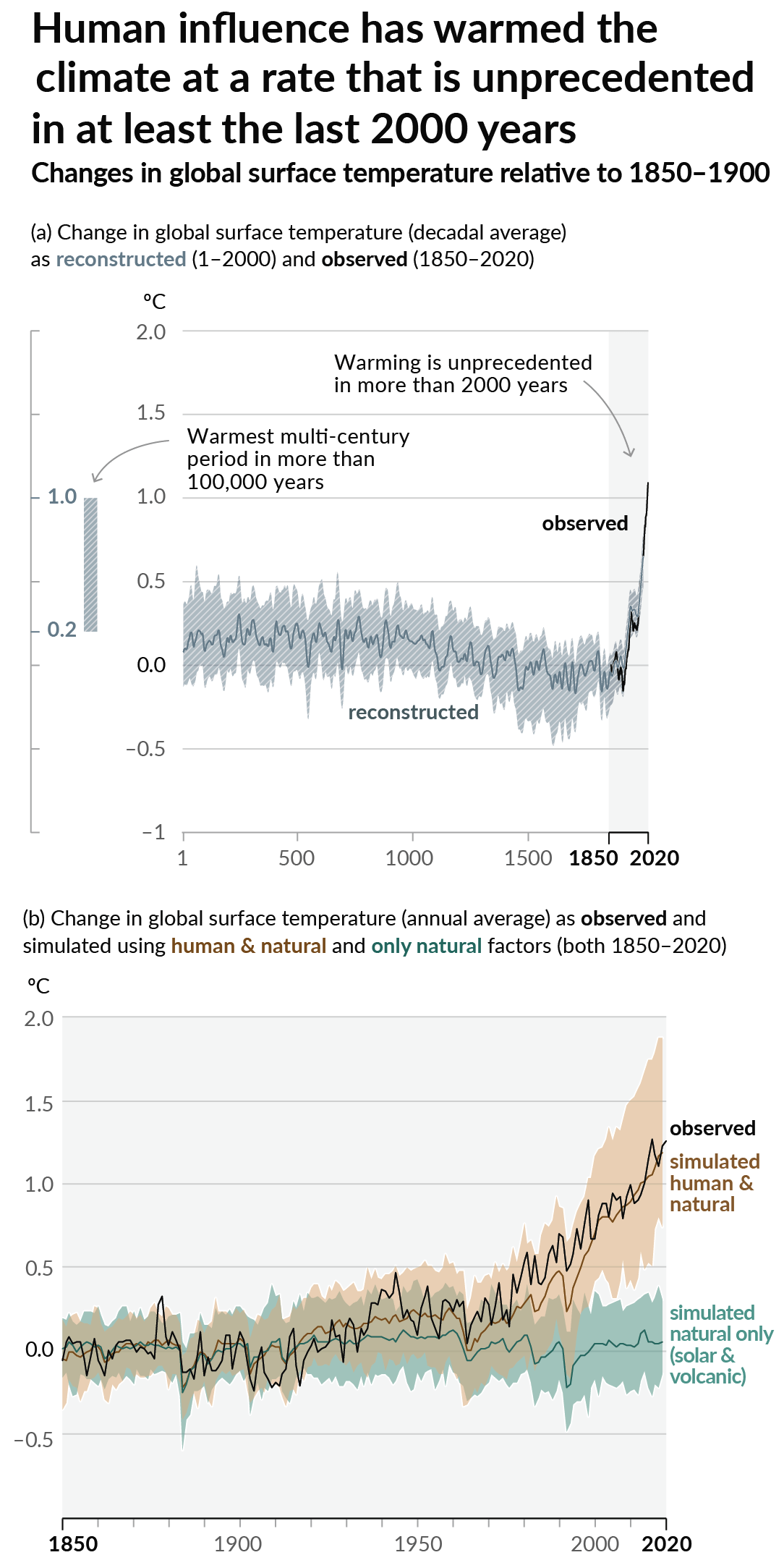
As a starting point, the burning of fossil fuels, and to a lesser extent deforestation and release of methane are responsible for the warming in recent decades:
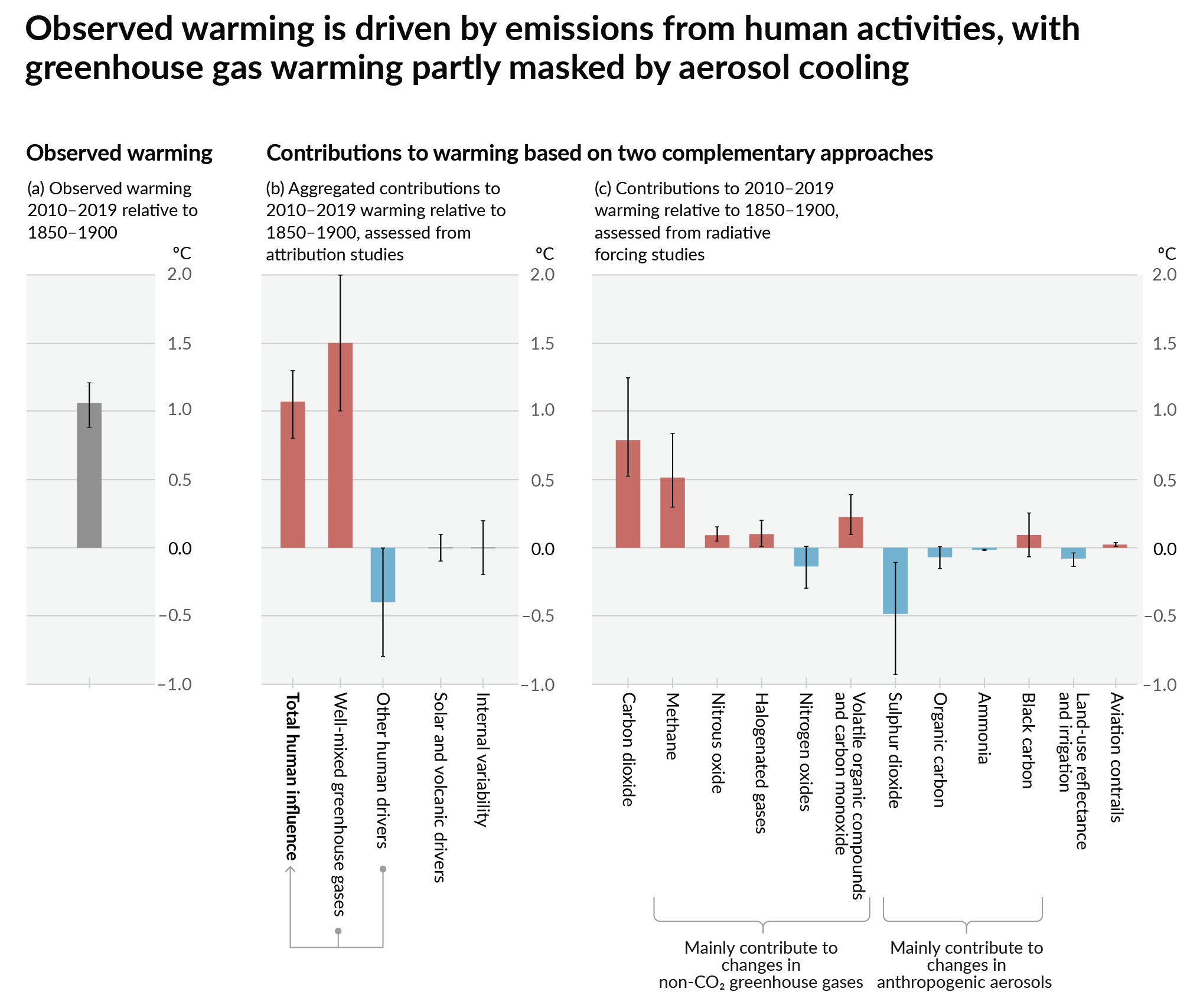
How much each change to the atmosphere has warmed the world:
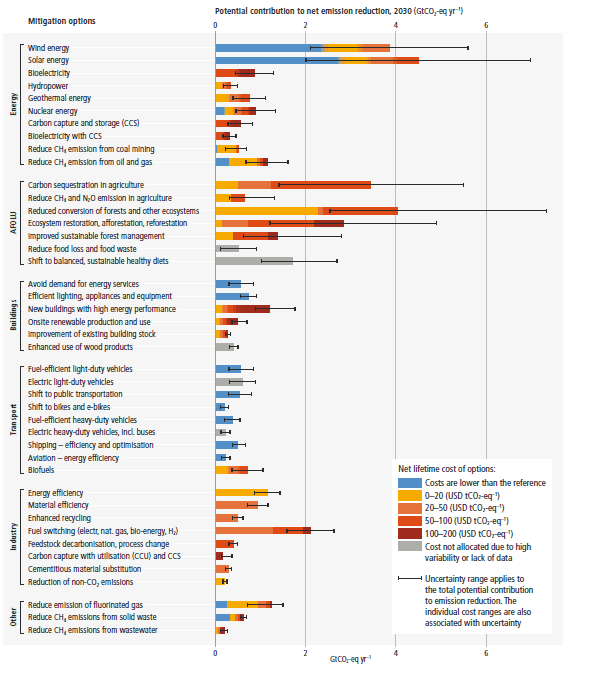
Recommended actions to cut greenhouse gas emissions in the near future:
Anti-science, inactivism, and unsupported conspiracy theories are not ok here.
founded 2 years ago
MODERATORS
you are viewing a single comment's thread
view the rest of the comments
view the rest of the comments
“fossil fuel economy is finished” is such a polarizing oversimplification. It will still have its uses for a long time.
Instead of dramatic statements, can we have more positive perspectives like “grid batteries really work, here’s some proof”
The problem with fossil fuel economy is that it depends on economies of scale. The less we use them, the more expensive it gets to use them. So it's a feedback loop that might really accelerate the downfall of fossil fuels faster than expected.
As this war is showing fossil fuels only really have the advantage that they were cheap and the moment they lose that people start switching away rapidly
This.
Fossil fuels do have huge costs.
The fossil fuel economy has their own feedback loops: Energetic ones - energy is needed to extract oil. And lots of cheap capital - this is why the 2008 financial crisis was linked with an oil price crises - and caused a severe crisis in the worldwide car industry.
All this isn't helped by the fact that most of the cheap oil that the world had, was already extracted. Oil extraction becomes more and more expensive.
Politically, I think it is a kind of power system that stabilizes itself. Like the old UDSSR's system. You know what happened with the Sowjet bloc? it collapsed, within the five years from 1984 to 1989.
Or, to take a less dramatic example, the tobacco industry. A few years ago, smoking in public was normalized. It isn't any more. But before the switch happened, tobacco companies put absolutely huge amounts of advertising, manipulation, false research, bribery and political shenanigans to keep it that way. Wait, did I say this example is less dramatic? I have to correct myself: about 100 million people died as a effect of tobacco smoking in the 20th century. (Yes, these are more deaths than from WWII).
At some point, continuing the fossil economy gets too expensive. You see that, ironically, in Iran: Mass protests because in spite of the heaps of money moved, the population lacks proper food and income.
And in the US? Very few very rich people, and many which are barely scratching by. Fossil companies there now support an authoritarian state. Why? Because, like tobacco companies, they don't want that change that is inevitable in a democracy. Before these lose the game, they will smash the game table. It is similar to military companies financing fascist parties in Europe after WWI. After that catastrophic war, social democracy was on the rise, and people supported that another war was madness. The League of Nations was formed, to promote peacful conflict resolution.. These military companies could not see how to make money in a peaceful cooperation of nations, so they tried to support fascism which strived to turn the clock back.
The thing is - at some point, these feedback loops come to a halt, and go into an reverse cycle. For example, less profit means less bribe money. Which means less influence. Less cheap oil resources means more expensive oil and gasoline. Which means less demand from car users, because they switch to electric cars. Which means less filling stations, and (in Europe) cities less geared towards cars, and so on.
The rising of cheap renewable energy and storage technology is only accelerating that. Oil extraction is getting more expensive, political and societal costs are rising (who wants to have a family member dying in Iran?), and the alternatives are becoming cheaper.
My take is that we will now witness a quick and swift change into another system. We will also see a huge re-adjustment of economical weights.
The way we organize and distribute power, in every sense of the word, will profoundly change and will be completely re-organized within no more than two decades. Possibly only ten years.
By the way, fossil hydrocarbons as an input to chemical products are harder to replace, and this will happen later. But also in such uses, some quick gains are possible. For example, single-use plastics can be replaced by re-usable food containers. In Germany, we do that with beer bottles, he.