this post was submitted on 23 Mar 2026
43 points (97.8% liked)
Climate
8487 readers
552 users here now
Discussion of climate, how it is changing, activism around that, the politics, and the energy systems change we need in order to stabilize things.
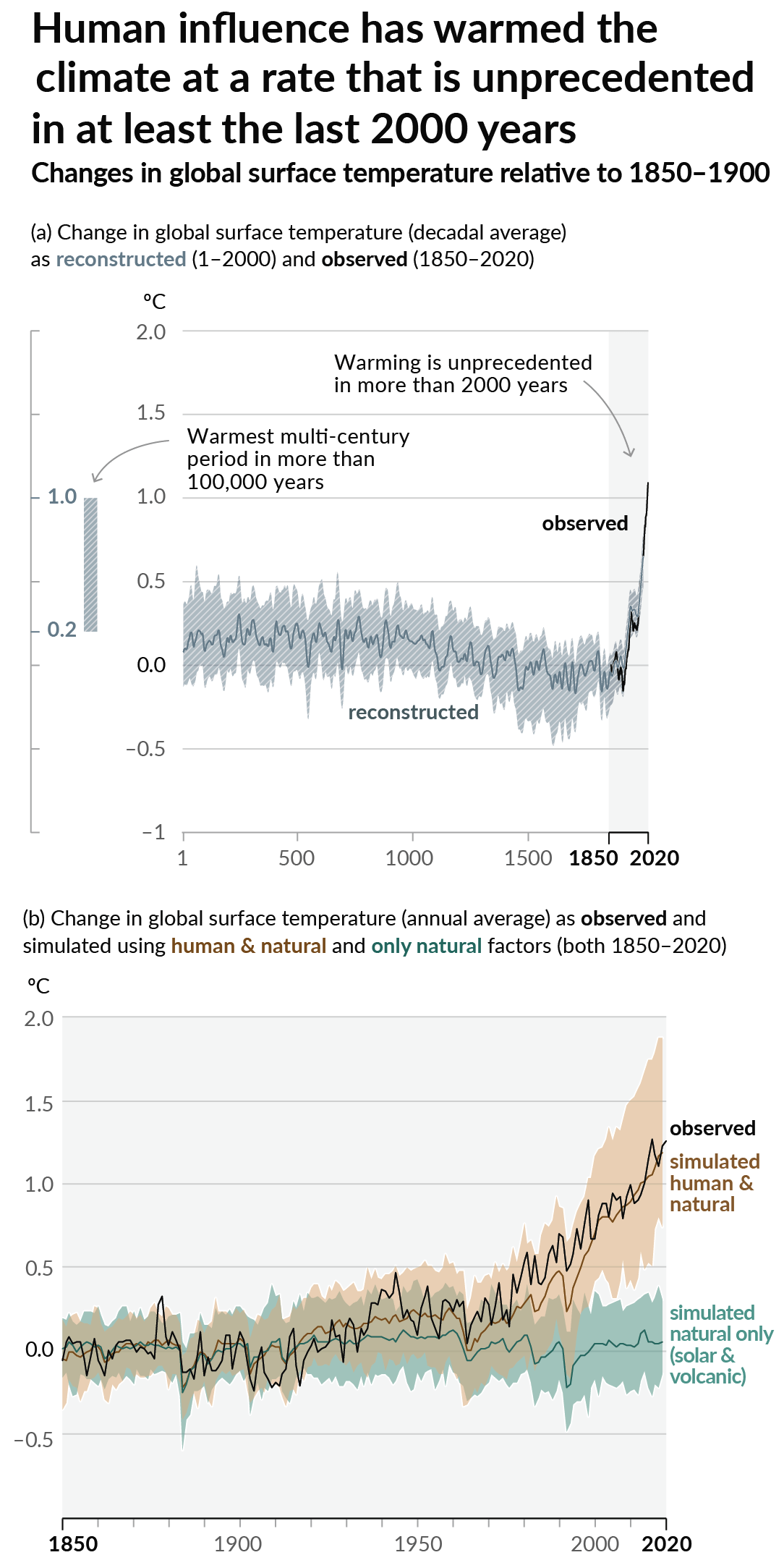
As a starting point, the burning of fossil fuels, and to a lesser extent deforestation and release of methane are responsible for the warming in recent decades:
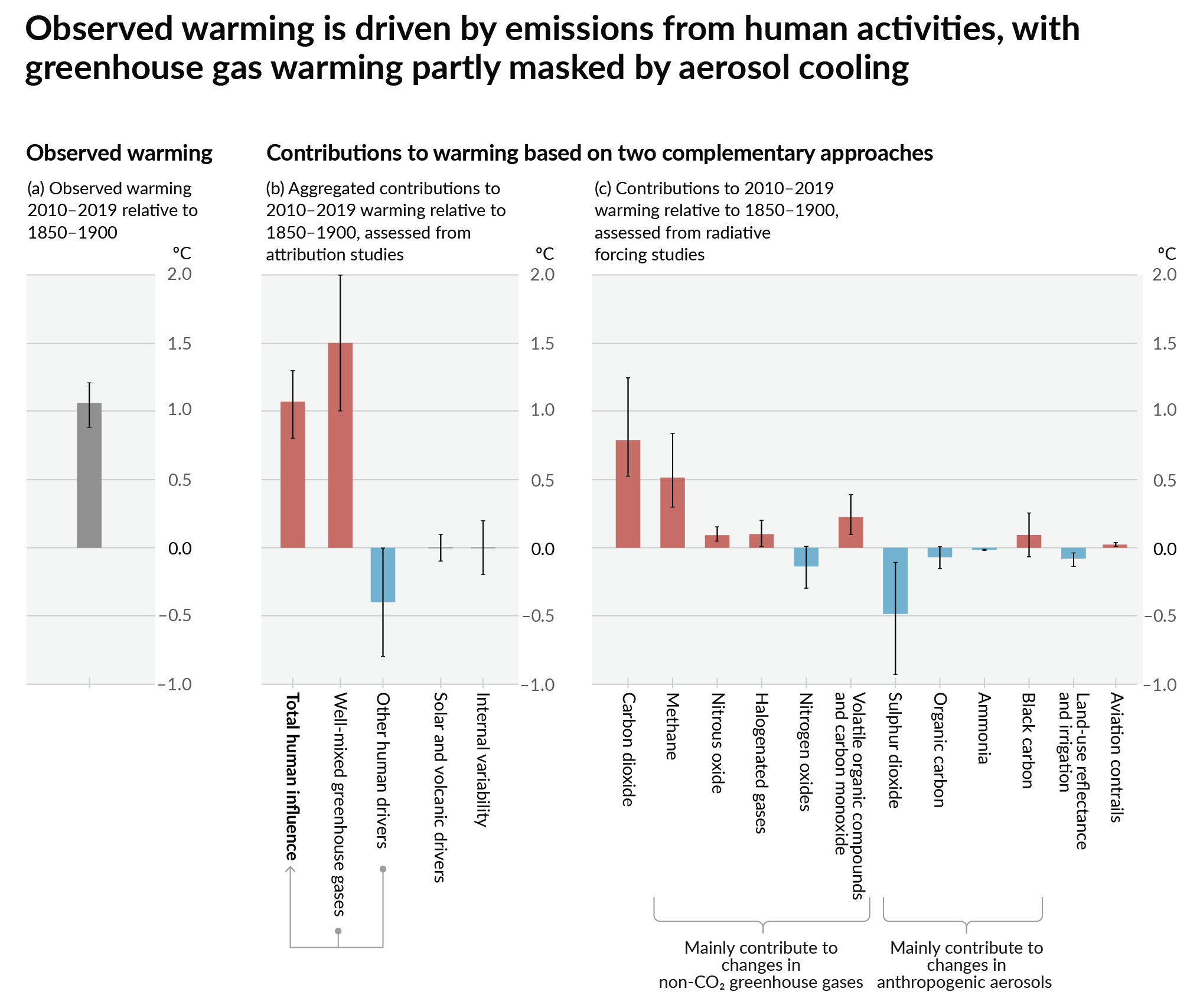
How much each change to the atmosphere has warmed the world:
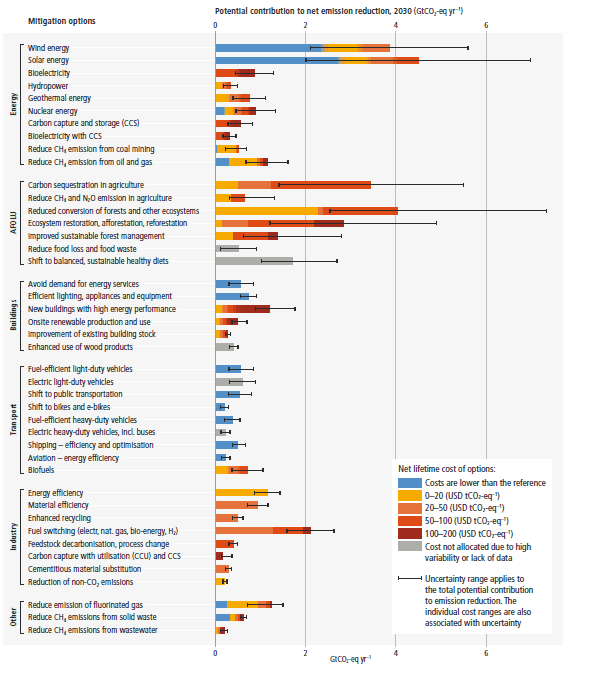
Recommended actions to cut greenhouse gas emissions in the near future:
Anti-science, inactivism, and unsupported conspiracy theories are not ok here.
founded 2 years ago
MODERATORS
you are viewing a single comment's thread
view the rest of the comments
view the rest of the comments
Show your numbers.
https://ourworldindata.org/grapher/global-primary-energy
It's a lot harder to see in primary energy use because fossil fuel use involves wasting 35% to 90% of the available energy. The impact of renewables is far larger when you look at useful energy
We might actually be at or near the point where fossil fuel use starts to fall, but that outcome is far from guaranteed
Efficiency actually increases resource use, aka Jevon's paradox. And high-exergy energy sources don't help with high temperature (hence no heat pumps) industrial processes, high density energy sources (aircraft, ships, trucking and agriculture) and for chemical processes (air nitrogen fixation, steel). Also, current renewables have critically low EROEI (particularly when dispatchable) and cannot sustain their own infrastructure, being currently fossil fuel extenders, or multipliers.
This doesn't mean we need to rather use fossil fuel sources, since we're already in the tail end of the fossil age, and the decline will be swift.
It can...but a lot of energy use is not constrained by availability or price, but by human time available. We can build renewables out fast enough to bring fossil fuel use down to zero. And we are on the cusp of actually achieving that