this post was submitted on 11 Mar 2026
885 points (98.2% liked)
Climate
8497 readers
387 users here now
Discussion of climate, how it is changing, activism around that, the politics, and the energy systems change we need in order to stabilize things.
As a starting point, the burning of fossil fuels, and to a lesser extent deforestation and release of methane are responsible for the warming in recent decades:

How much each change to the atmosphere has warmed the world:

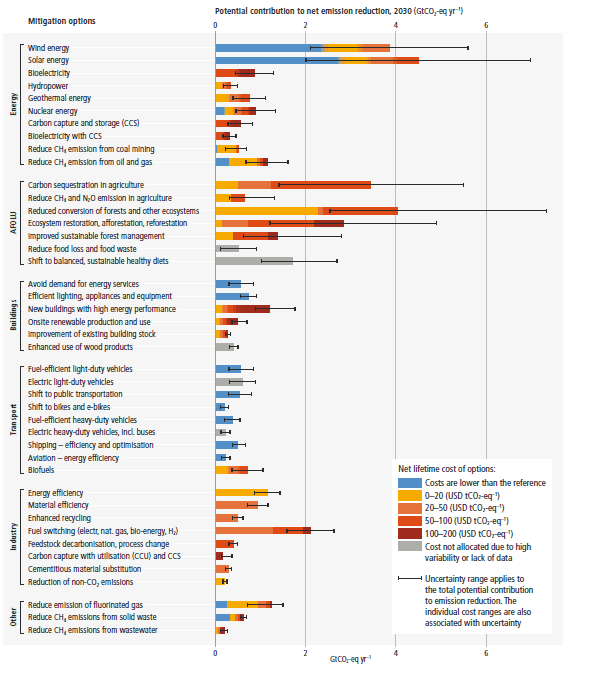
Recommended actions to cut greenhouse gas emissions in the near future:
Anti-science, inactivism, and unsupported conspiracy theories are not ok here.
founded 2 years ago
MODERATORS

you are viewing a single comment's thread
view the rest of the comments
view the rest of the comments
Hydrogen gas is really hard to store. It is tiny, so it's basically always leaking, no matter how good your seal is.
Underground caverns can store it for years. This is simply not true.
What do you mean it isn't true? It's a well known fact. It's just a proton and an electron, so it's absolutely tiny. There is almost no way to seal it perfectly, especially in gaseous form. It's always going to leak. Even for rockets this is an issue. You can make that amount relatively small, but it pretty much always has some loss.
Caverns may make sense for large-scale solutions, because the quantity is so large compared to the loss. Most people don't have massive caverns under their house though, nor do they have a need for that large of a quantity.
Even in tank form, you can store it for months. It is not much different than CNG.
Large-scale solutions matter too. The utility companies can utilize such a thing.
The question was specifically about home hydrogen. Yes, it makes sense for utility companies, as well as large vehicles, as I said before. It's a great solution to turn renewables into a shipable commodity. Home use though doesn't make sense. A regular battery has much better properties for home use.
The same applies for home hydrogen storage too. Compressed hydrogen is good for months. Another option would be metal hydrides which apparently last a long time too. The problem is that you simply cannot power your house entirely with batteries alone.