politics
Welcome to the discussion of US Politics!
Rules:
- Post only links to articles, Title must fairly describe link contents. If your title differs from the site’s, it should only be to add context or be more descriptive. Do not post entire articles in the body or in the comments.
Links must be to the original source, not an aggregator like Google Amp, MSN, or Yahoo.
Example:
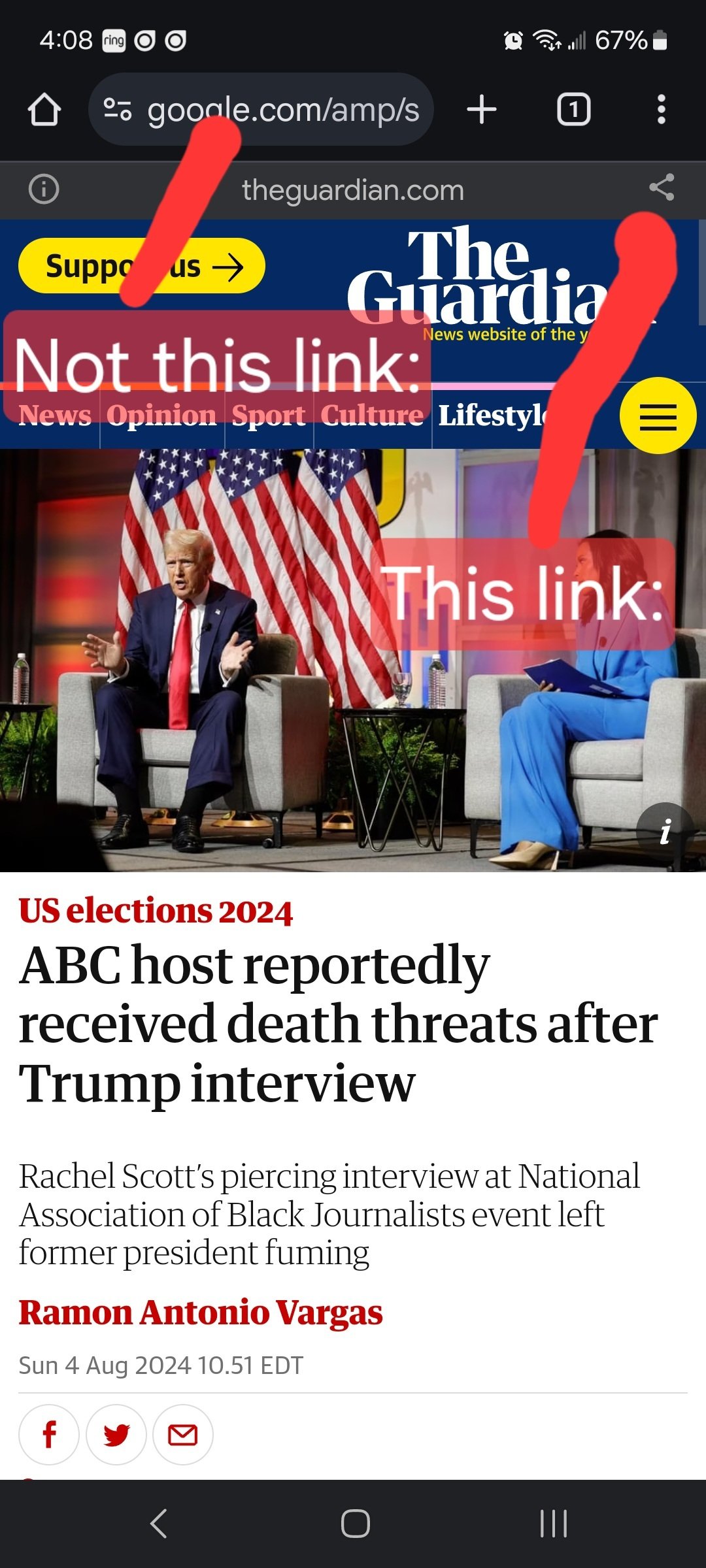
- Articles must be relevant to politics. Links must be to quality and original content. Articles should be worth reading. Clickbait, stub articles, and rehosted or stolen content are not allowed. Check your source for Reliability and Bias here.
- Be civil, No violations of TOS. It’s OK to say the subject of an article is behaving like a (pejorative, pejorative). It’s NOT OK to say another USER is (pejorative). Strong language is fine, just not directed at other members. Engage in good-faith and with respect! This includes accusing another user of being a bot or paid actor. Trolling is uncivil and is grounds for removal and/or a community ban.
- No memes, trolling, or low-effort comments. Reposts, misinformation, off-topic, trolling, or offensive. Similarly, if you see posts along these lines, do not engage. Report them, block them, and live a happier life than they do. We see too many slapfights that boil down to "Mom! He's bugging me!" and "I'm not touching you!" Going forward, slapfights will result in removed comments and temp bans to cool off.
- Vote based on comment quality, not agreement. This community aims to foster discussion; please reward people for putting effort into articulating their viewpoint, even if you disagree with it.
- No hate speech, slurs, celebrating death, advocating violence, or abusive language. This will result in a ban. Usernames containing racist, or inappropriate slurs will be banned without warning
We ask that the users report any comment or post that violate the rules, to use critical thinking when reading, posting or commenting. Users that post off-topic spam, advocate violence, have multiple comments or posts removed, weaponize reports or violate the code of conduct will be banned.
All posts and comments will be reviewed on a case-by-case basis. This means that some content that violates the rules may be allowed, while other content that does not violate the rules may be removed. The moderators retain the right to remove any content and ban users.
That's all the rules!
Civic Links
• Congressional Awards Program
• Library of Congress Legislative Resources
• U.S. House of Representatives
Partnered Communities:
• News
view the rest of the comments
The problem is that he could also probably use a federal immunity defence. The prosecutors need time to plan out a good way to attack this defence. The worst possible outcome would be to file charges now, unprepared, and then the guy gets acquitted at trial which forever bars future state prosecution for that offence, or the case is dismissed because prosecutors failed to present a good argument for why the accused is not immune. Prosecutors have only one chance so they tend to make sure their case is as good as they can get before shooting their shot.
It's actually very rare for murder trials to be argued over whether the accused killed the person in question. Usually, the argument stems from whether the killing counts as murder or whether the evidence that the accused killed the victim is legally admissible.
He's not immune because he shot a woman in her head for no reason, not related to his duties whatsoever.
He will still try to argue that, and prosecutors need to come up with real reasons why it doesn't apply. Defence lawyers are not stupid and they will probably think of a way to argue immunity. Those arguments must be anticipated, researched, and rebutted.
Yeah I get that, but murder
Well, to put it simply, you say "murder" he says "nuh uh". Now you have to prove he's wrong and why or he gets off.
I seent it
What happens if he just leaves the state?
Generally speaking, law enforcement can arrest someone based on arrest warrants nationwide, although typically, what happens is that the governor of the state where the crime was committed will make a written extradition demand to the governor of the state where the accused fled to. The receiving governor is constitutionally bound to turn over the person in question, although in reality, for political cases, this can get bogged down in political arguments, and it can result in the governor or attorney-general of one state suing another to force them to arrest the person in question.
Thank you. I assumed this would become political and difficult if he was allowed to leave the state.